
 한국어
 English
 中文
Saigon KTV Guide 2026: How Lounge Karaoke Works, Where to Go & What It Costs
KTV is Saigon's lounge-style take on karaoke: private rooms, bottle service and attentive hosting. Here is how it works, where to find it and how to keep the bill predictable.
If you have been invited out by Vietnamese or Asian business partners in Ho Chi Minh City, there is a good chance the evening ends in a KTV. The term comes from Chinese-speaking markets (a short form of "karaoke TV") and in Saigon it usually means a lounge-style karaoke venue: larger and better-finished rooms than a family karaoke, bottle service, attentive staff and, in some venues, optional hostess-style companions who pour drinks and host the room. This guide explains how Saigon KTVs work, where they cluster, what a night roughly costs as of 2026 and how to avoid the classic billing surprises.
For a broader overview of all karaoke types, start with our Ho Chi Minh karaoke guide. For current, first-hand experiences, check the Venue Reviews board or ask on Q&A.
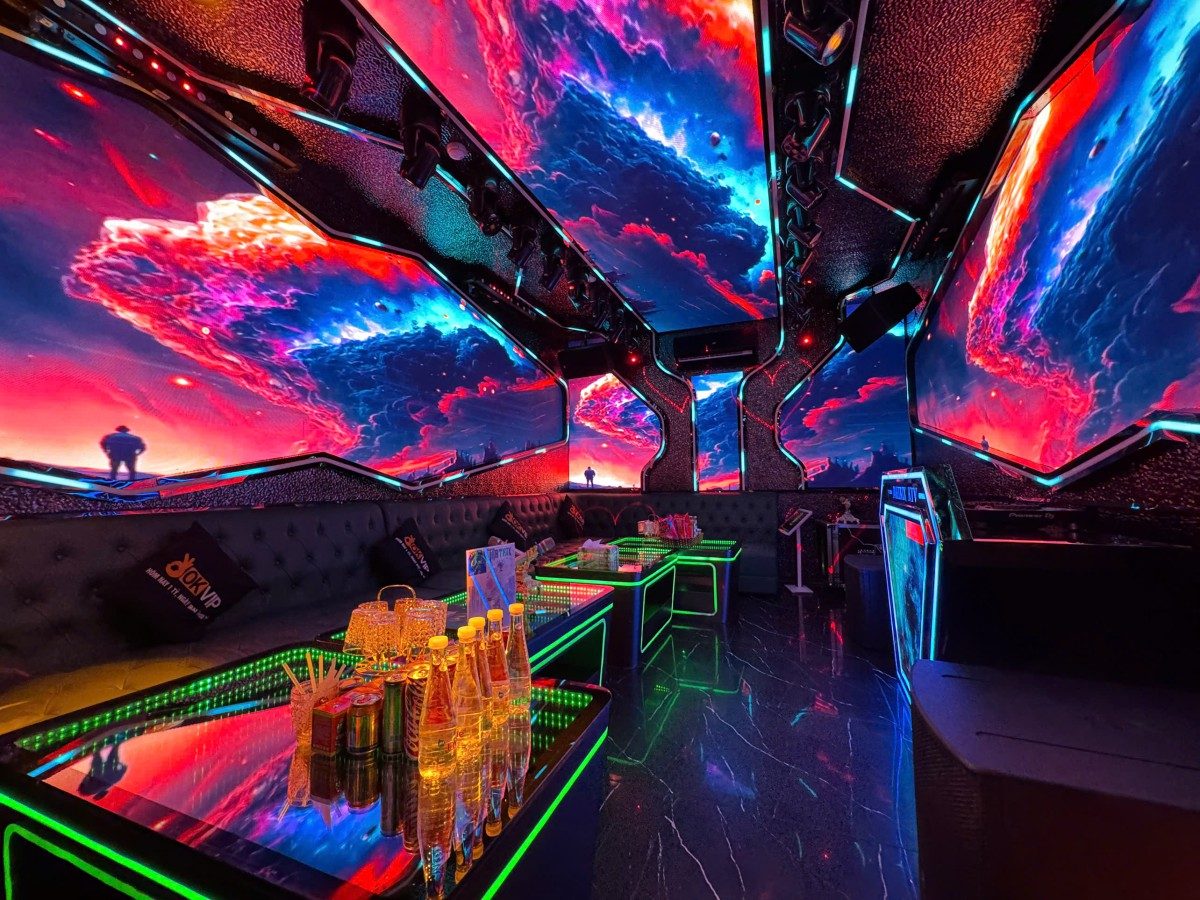
KTV vs. regular karaoke
Both formats use private soundproofed rooms. The difference is the level of service and the way you pay:
- Regular karaoke charges a transparent hourly room rate and you order drinks from a printed menu. Crowd: friends, students, families.
- KTV typically sells a package or minimum spend (room plus a bottle, mixers and fruit), with more staff per room. Crowd: business groups, celebrations, visitors entertaining clients.
- Some KTVs offer companion service — staff who sit with guests, pour drinks, choose songs and keep the conversation flowing. This is optional, paid separately through tips, and is hosting, not anything more. Treat companions with the same respect as any hospitality worker.
Where to find KTV in Saigon
Since the 2025 administrative reform the old district numbers are no longer official, but everyone — including Grab drivers — still uses them.
District 1 – Le Thanh Ton and around Ben Thanh
The highest concentration of lounge-style KTVs aimed at foreign visitors. Le Thanh Ton and its side alleys (the "Japan Town" area) are known for Japanese-style venues that are tidier and pricier; the streets around Ben Thanh Market mix KTVs with hotels and restaurants. Very convenient if you are staying in District 1. See the District 1 nightlife guide.
District 5 – Cholon
Saigon's historic Chinatown, Cholon, has a long tradition of Chinese-style KTV with large rooms and Cantonese/Mandarin song libraries. Venues here often cater to Chinese-speaking business visitors.
District 7 – Phu My Hung
Expat-heavy and calmer, District 7 has lounge karaoke alongside its many Korean-style venues. See the District 7 Phu My Hung guide and our Korean karaoke Saigon guide.
District 3 and Phu Nhuan
More local, with a mix of mainstream karaoke and smaller lounges. Prices tend to be fairer, but English is less common — useful if a Vietnamese friend is leading the night.
How a KTV night works
- Reception or manager greets you and asks group size. Larger KTVs have a manager (often addressed as "Mama-san" in Japanese-style venues) who handles foreign guests.
- You choose a package: room plus a bottle of whisky, vodka or cognac, mixers and fruit — or a minimum spend you drink against.
- Companions, if offered, are introduced. It is entirely acceptable to decline and just sing with your group.
- Service runs through the night: ice, mixers, fruit and snacks are refreshed, and staff help with the song system.
- The bill is presented in the room or at reception. Check it line by line before paying.
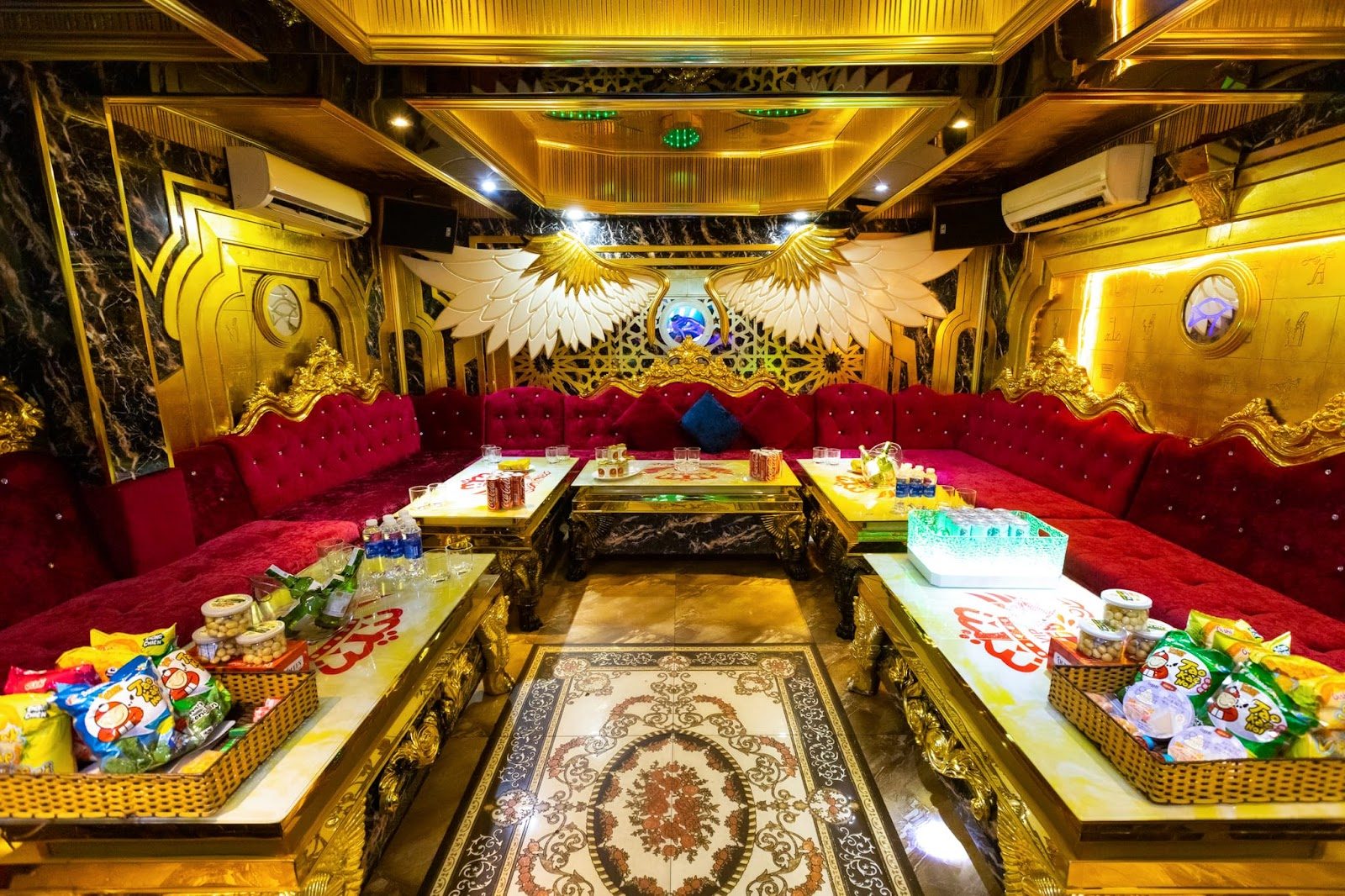
Rough costs as of 2026
KTV pricing is less standardized than regular karaoke, so treat these ranges as a starting point and confirm at the door. Quick math: 100,000 VND is roughly US$4.
| Item | Rough range (VND) | Approx. USD |
|---|---|---|
| Large/VIP room, per hour, evening | 500,000–2,000,000 | $20–80 |
| Bottle of spirits | 500,000–2,000,000+ (premium labels more) | $20–80+ |
| Beer, per can | 30,000–60,000 at mainstream venues; often higher in lounges | $1.20–2.40+ |
| Fruit platter | 100,000–300,000 | $4–12 |
| Service charge + VAT | commonly 5–10% service plus VAT | — |
| Companion / staff tips | Varies widely by venue — ask the manager upfront | — |
For worked examples of full bills, see the Ho Chi Minh karaoke prices guide.
Hosting business guests at a KTV
For many Vietnamese, Chinese, Japanese and Korean companies, a KTV night is part of building a relationship — the dinner is where business is discussed, and the KTV is where trust is built. If you are the host:
- Book the room yourself and choose a venue your guests will feel comfortable in. A Japanese-style lounge suits Japanese partners; a Chinese-style KTV in Cholon suits Chinese-speaking guests.
- Agree the package before guests arrive so no money conversations happen in front of them.
- Ask guests about companion service discreetly, or skip it. Many groups, especially mixed-gender ones, prefer to just sing.
- Settle the bill quietly at reception while guests are still singing.
If you are the guest, accept the first toast, sing at least one song and thank the host the next day. That small gesture goes a long way.
Language tips
English is spoken at most District 1 lounges that cater to foreigners, less so elsewhere. A few useful words: "bao nhiêu?" (how much?), "hóa đơn" (bill), "phòng nhỏ" (small room). Showing a translated message on your phone works well for questions about packages and minimum spends.
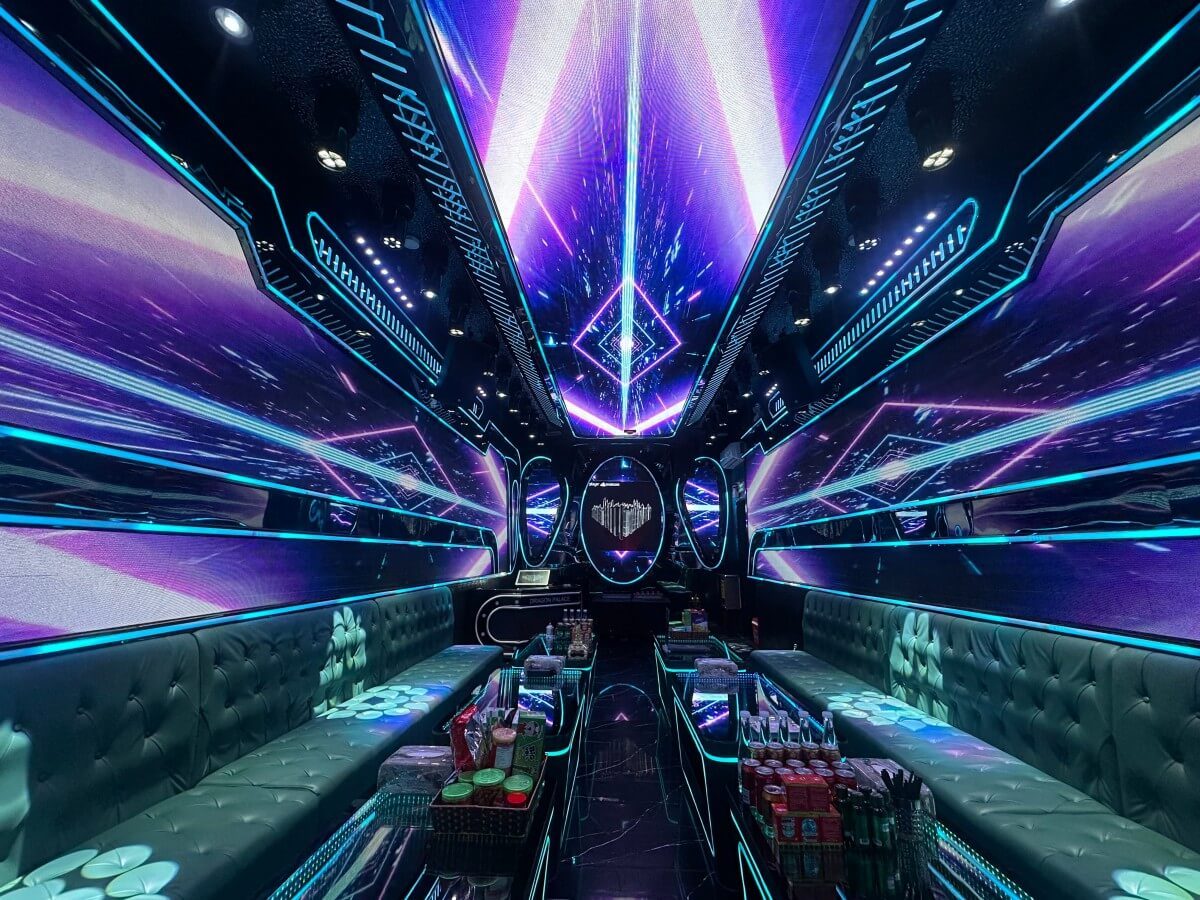
Booking and best times
- Book ahead for groups of six or more and on Fridays and Saturdays. Most venues take bookings by phone, Zalo or Facebook.
- Arrive after dinner, around 8–9pm. Rooms fill quickly from 9pm.
- Plan the end of the night. Vietnamese rules have long barred karaoke service between midnight and 8am; some venues stay open later, but don't count on it.
- Use the directory: our KTV directory lists venues with maps so you can check the exact location on Google Maps before you ride.
First-timer checklist
- Read recent reviews — especially comments about bills.
- Ask for the full price structure before going upstairs: room, package, minimum spend, service charge, VAT and tip norms.
- Photograph the menu and price list.
- Agree on a budget with your group and decide who settles the bill.
- Bring cash in small and medium notes for tips.
- Keep valuables on you and never leave your passport as a deposit.
- Book your Grab home through the app, not with a driver waiting outside.
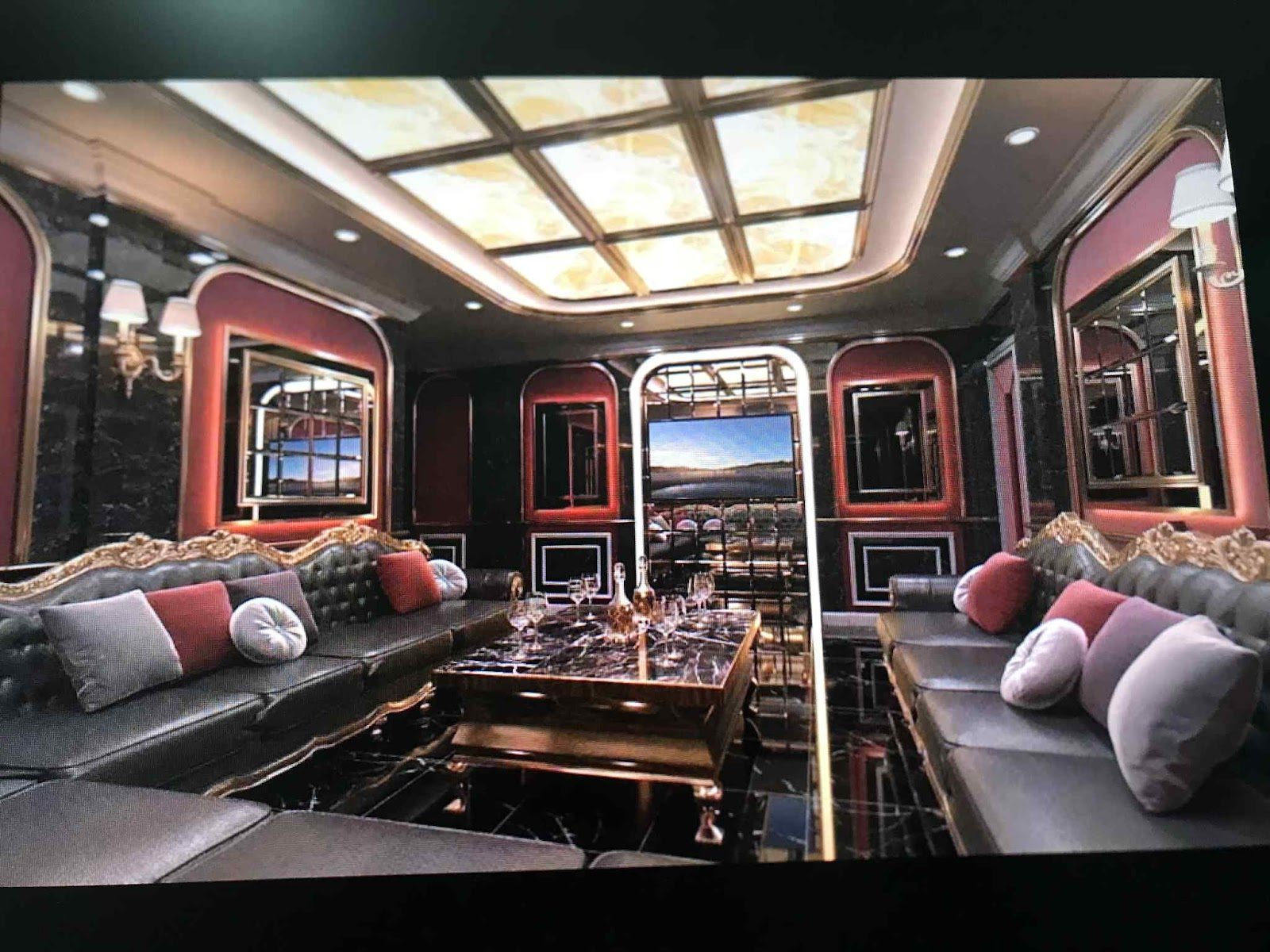
Comparison of KTV areas
| Area | Style | Crowd | Price level |
|---|---|---|---|
| D1 Le Thanh Ton | Japanese-style lounges | Business visitors, expats | Higher |
| D1 Ben Thanh | Mixed lounges | Tourists, groups | Medium to higher |
| D5 Cholon | Chinese-style KTV | Chinese-speaking visitors, locals | Medium |
| D7 Phu My Hung | Lounge + Korean-style | Expats, residents | Medium to higher |
| D3 / Phu Nhuan | Mainstream + small lounges | Locals | Lower to medium |
Etiquette and safety
- Hosting matters. In business KTV the host orders and pays; guests return the favor another time. Toast the host first.
- Pace your drinking. Toasts come often. It is fine to sip rather than finish every glass.
- Respect staff and companions. Nothing beyond hosting and conversation is part of a legitimate KTV night.
- Avoid street touts who offer to lead you to a "special" venue — this is how most overcharging stories start.
- Know the law. Vietnam's drug penalties are severe and police raid nightlife venues. The UK Foreign Office's Vietnam safety advice also warns about drink spiking and methanol in alcohol.
More practical tips are in our Saigon nightlife safety tips.
KTV venues in our directory
The KTV directory includes listings such as 356 KTV, Dragon K, Matrix KTV, La Royal KTV, Dragon Palace KTV, 90s House KTV, Lotus KTV and K Marina KTV. Listings are informational, not endorsements; policies and prices change, so confirm details with the venue and add your own experience to the Venue Reviews board. After the night out, our Ho Chi Minh nightlife guide and clubs guide cover what else the city offers.
FAQ
QWhat does KTV mean in Saigon?
QHow much does a KTV night cost in Ho Chi Minh City?
QWhere are most KTVs in Saigon?
QDo I have to take a companion at a KTV?
QIs KTV in Saigon safe?
QWhat time do KTVs close?
QCan I pay by card at a Saigon KTV?
Prices and hours were correct when written and may change. Questions? Ask the community. Ask a question >
Venues in this guide
All venues >-
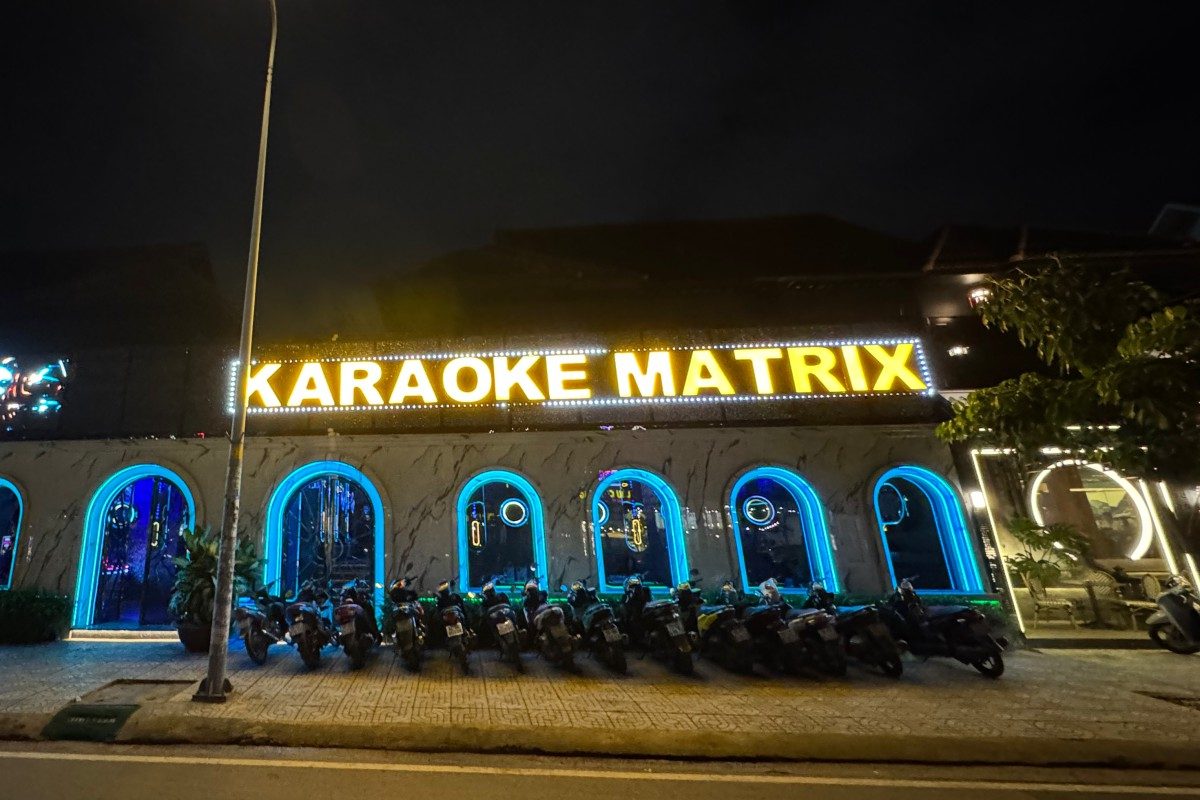
Binh Chanh Matrix
KTV Matrix Karaoke KTV
A full-LED KTV on Road 9A in the Trung Sơn residential area, close to Phú Mỹ Hưng in District 7, where every r…
-
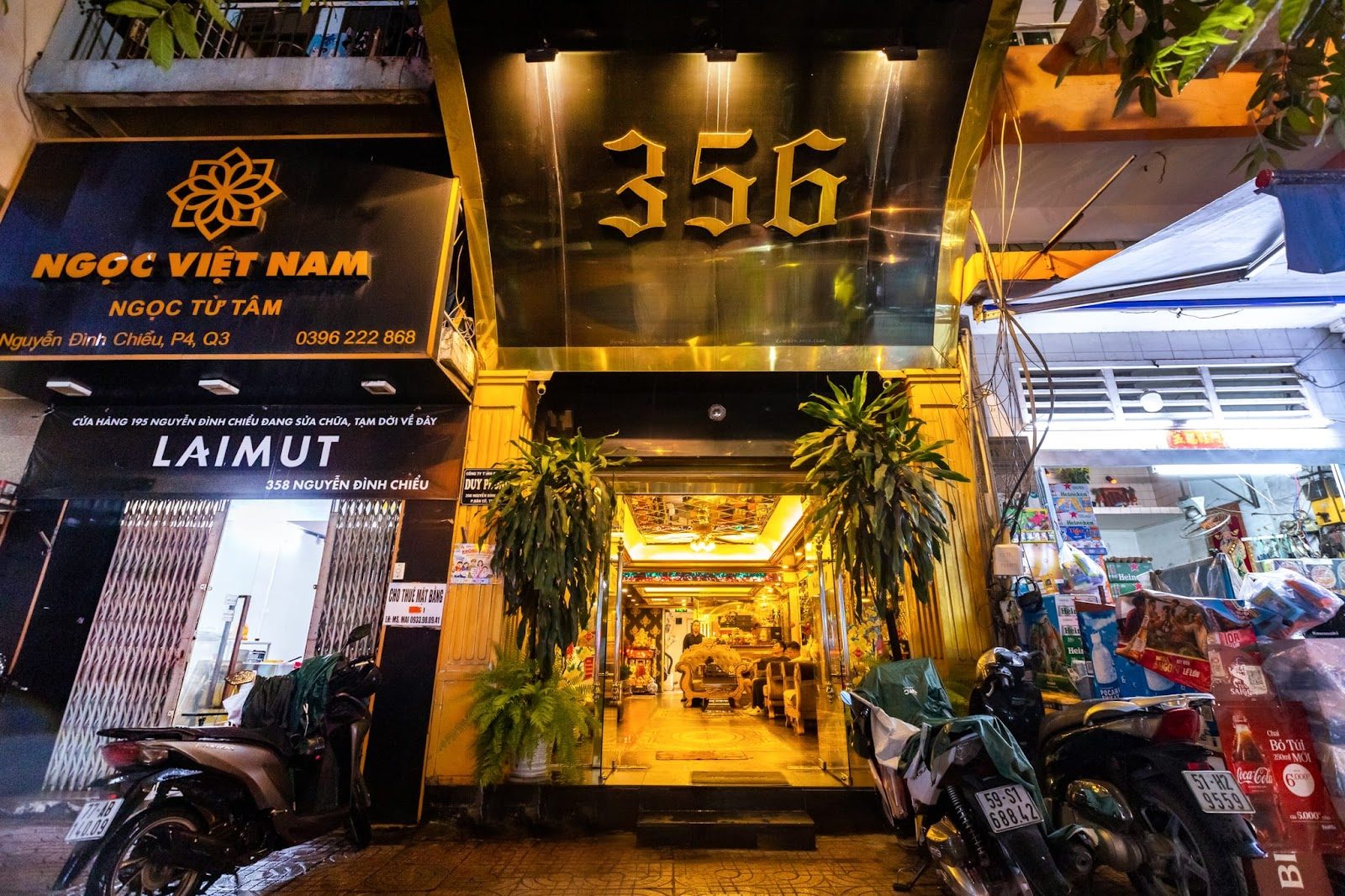
District 3 356
KTV Karaoke 356
A Vietnamese-style KTV named after its street number, 356 Nguyễn Đình Chiểu in District 3, known for a flashy …
-
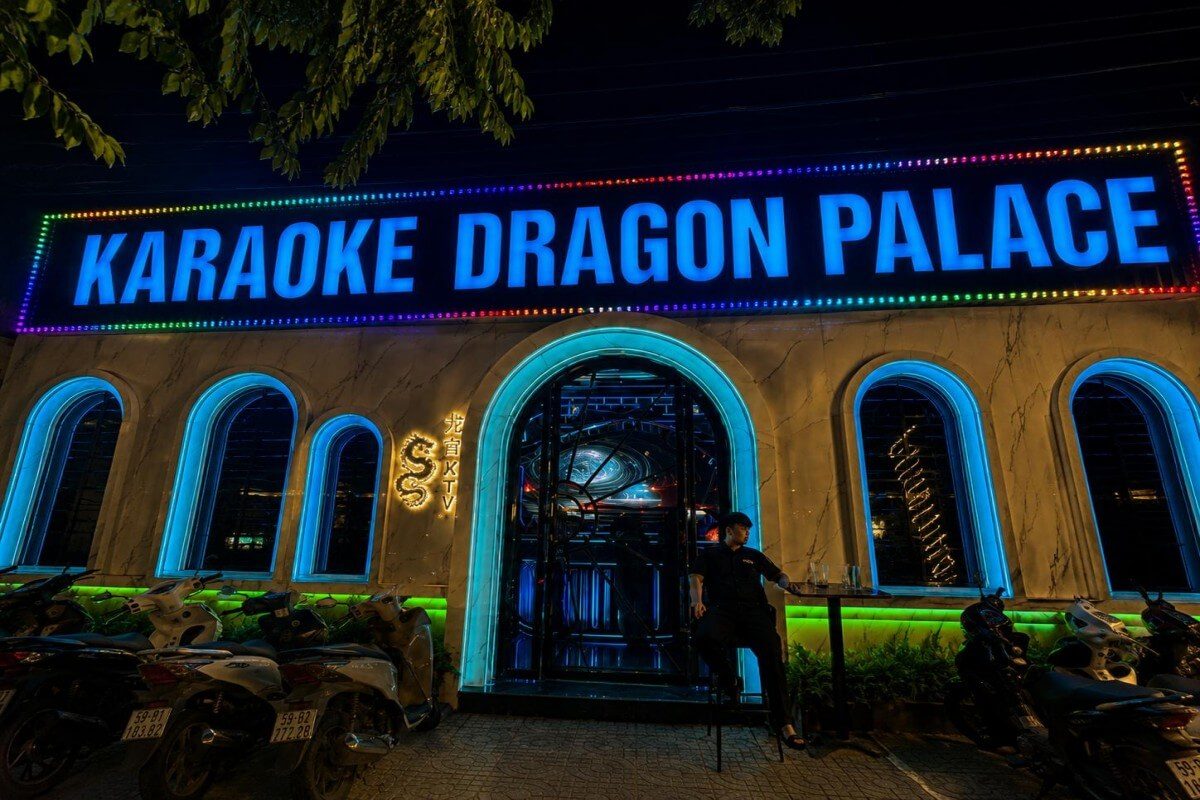
Binh Chanh Dragon Palace
KTV Karaoke Dragon Palace (Long Cung · 龙宫KTV)
The flagship of the Dragon Palace (Long Cung, 龙宫) group on Road 9A in Trung Sơn, with 14 large private rooms f…
-
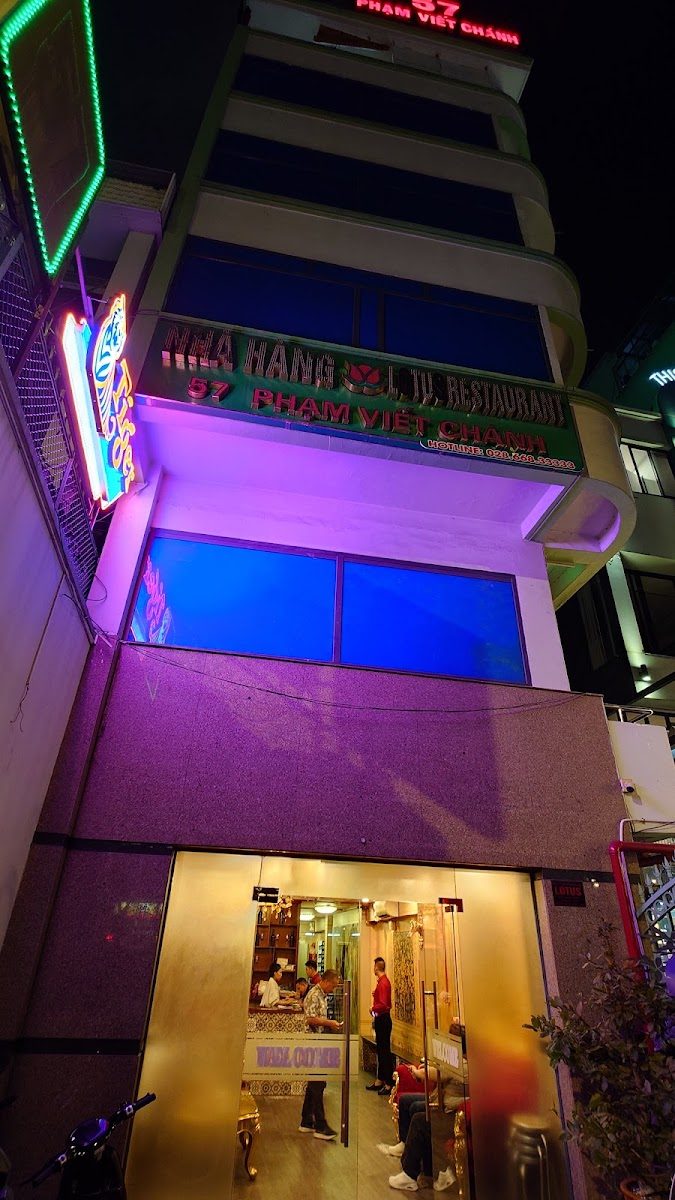
District 1 Lotus
KTV Karaoke Lotus Restaurant
A restaurant-and-KTV at 57 Phạm Viết Chánh in District 1, where you can eat and sing in standard or VIP rooms.…
-
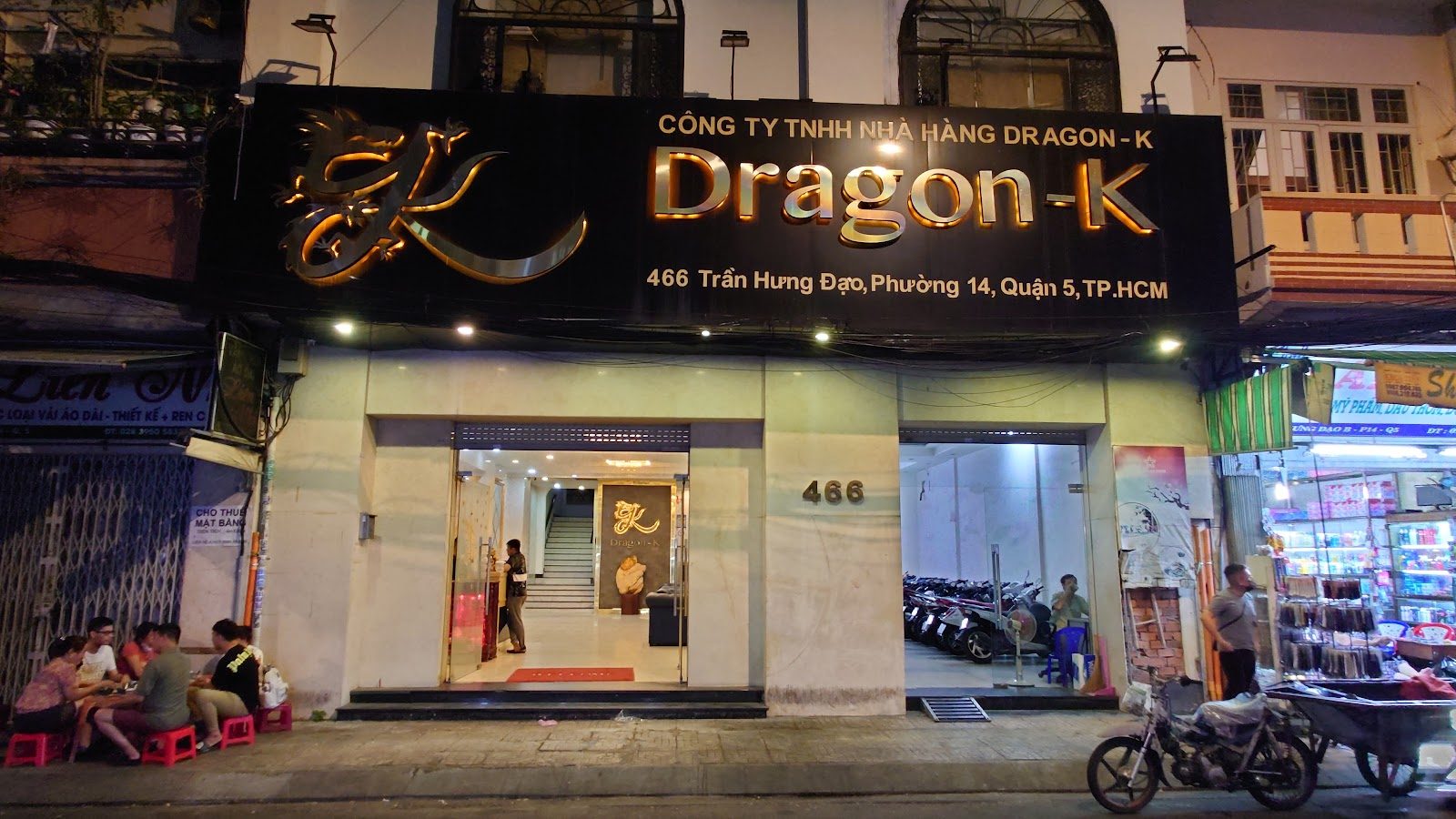
District 5 Dragon K
KTV Karaoke KTV Dragon K (466 KTV)
One of the best-known local KTVs in District 5's Chợ Lớn area, at 466 Trần Hưng Đạo B near the Châu Văn Liêm j…
-
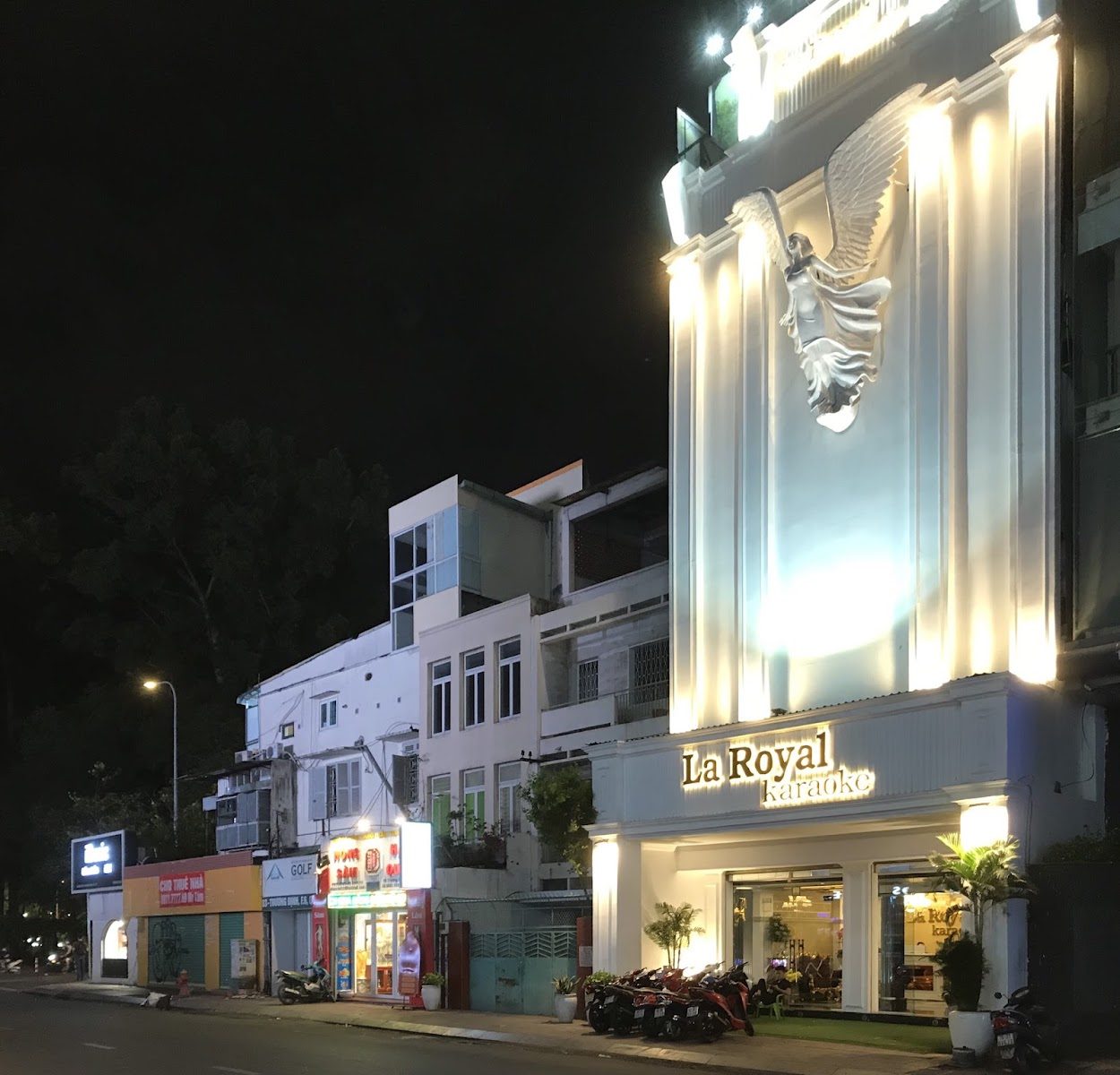
District 3 La Royal
KTV La Royal Karaoke
A palace-themed karaoke on the corner of Trương Định and Nguyễn Thị Minh Khai in District 3, next to Tao Đàn P…
-
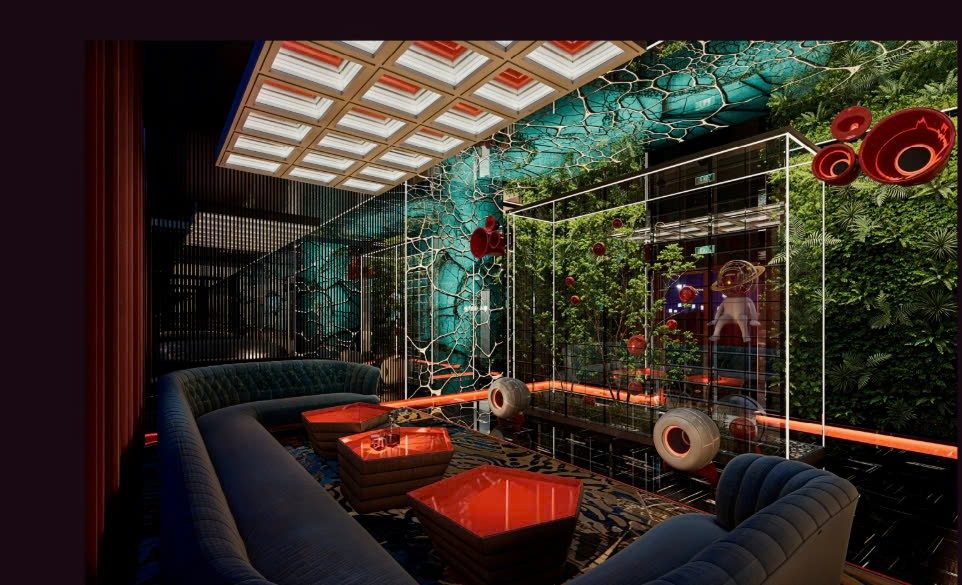
District 1 90's House
KTV 90S House – Private Lounge
A private-lounge style KTV at 90-92 Lê Thị Riêng in District 1, opened in 2025, with 14 individually designed …
-
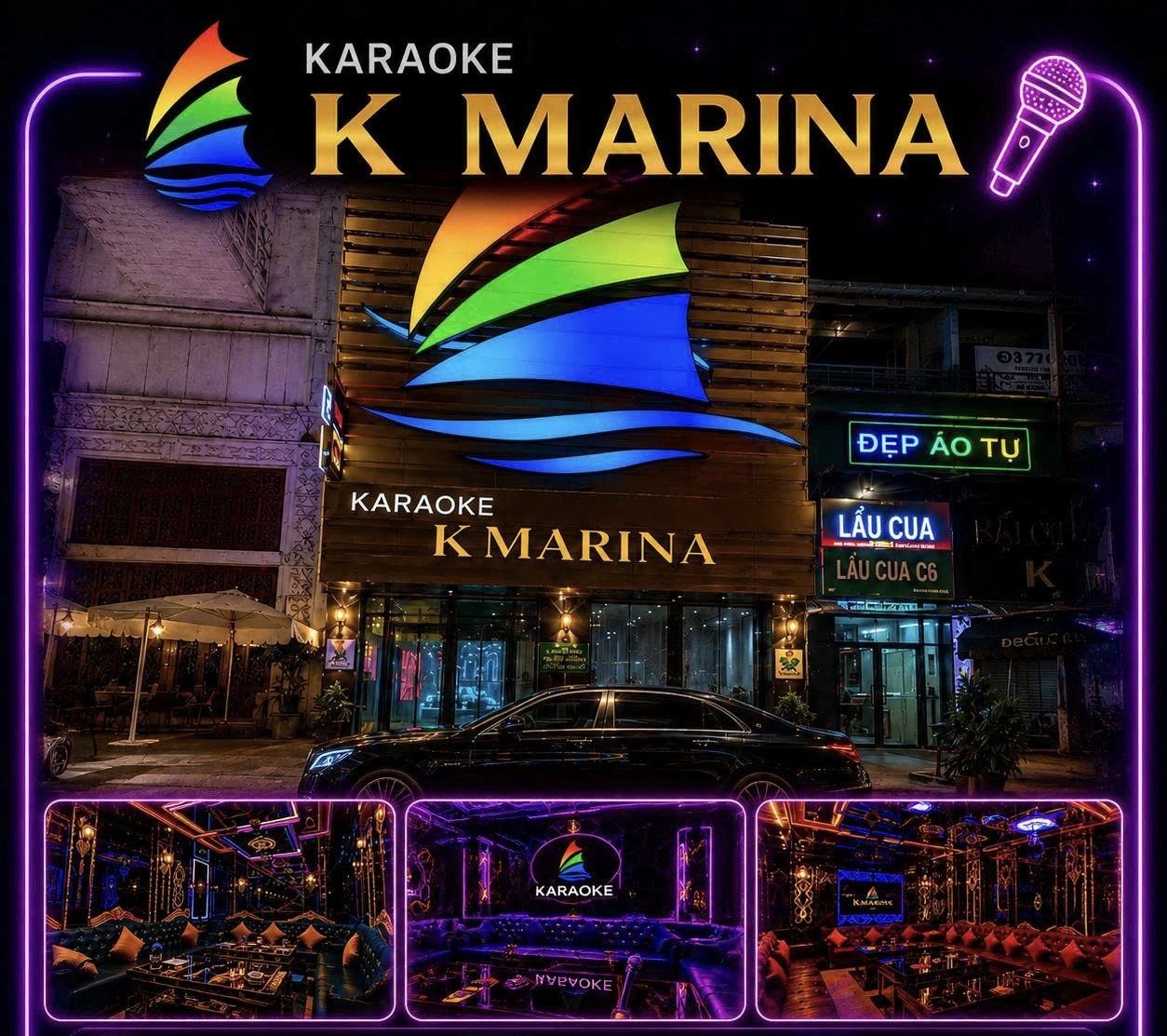
District 5 K.MARINA
KTV K-MARINA KTV (659 KTV)
K-MARINA KTV, also called 659 KTV, sits at 657–659 Trần Hưng Đạo in District 5, in the middle of Chợ Lớn's KTV…