
 한국어
 English
 中文
Ho Chi Minh Karaoke Guide 2026: Areas, Venue Types, Prices & Etiquette
Everything a first-time visitor needs to enjoy karaoke in Ho Chi Minh City: where to go, how the different venue types work, what a night really costs in 2026, and how to avoid surprise bills.
Karaoke is not a niche hobby in Ho Chi Minh City (Saigon) — it is one of the main ways the city celebrates birthdays, closes business deals and ends a long dinner. Whether you are a traveler looking for a fun night with friends, an expat hosting visiting colleagues or a digital nomad who just wants to belt out a few songs, this guide covers where karaoke is concentrated, how each type of venue works, what it costs roughly as of 2026, and how to book and behave so the night ends with good memories rather than a disputed bill.
HCMN Talk is a community, so this page is a starting point, not the last word. Check recent first-hand reports on the Venue Reviews board, ask specific questions on Q&A, and browse the venue directory for listings with maps and opening hours.
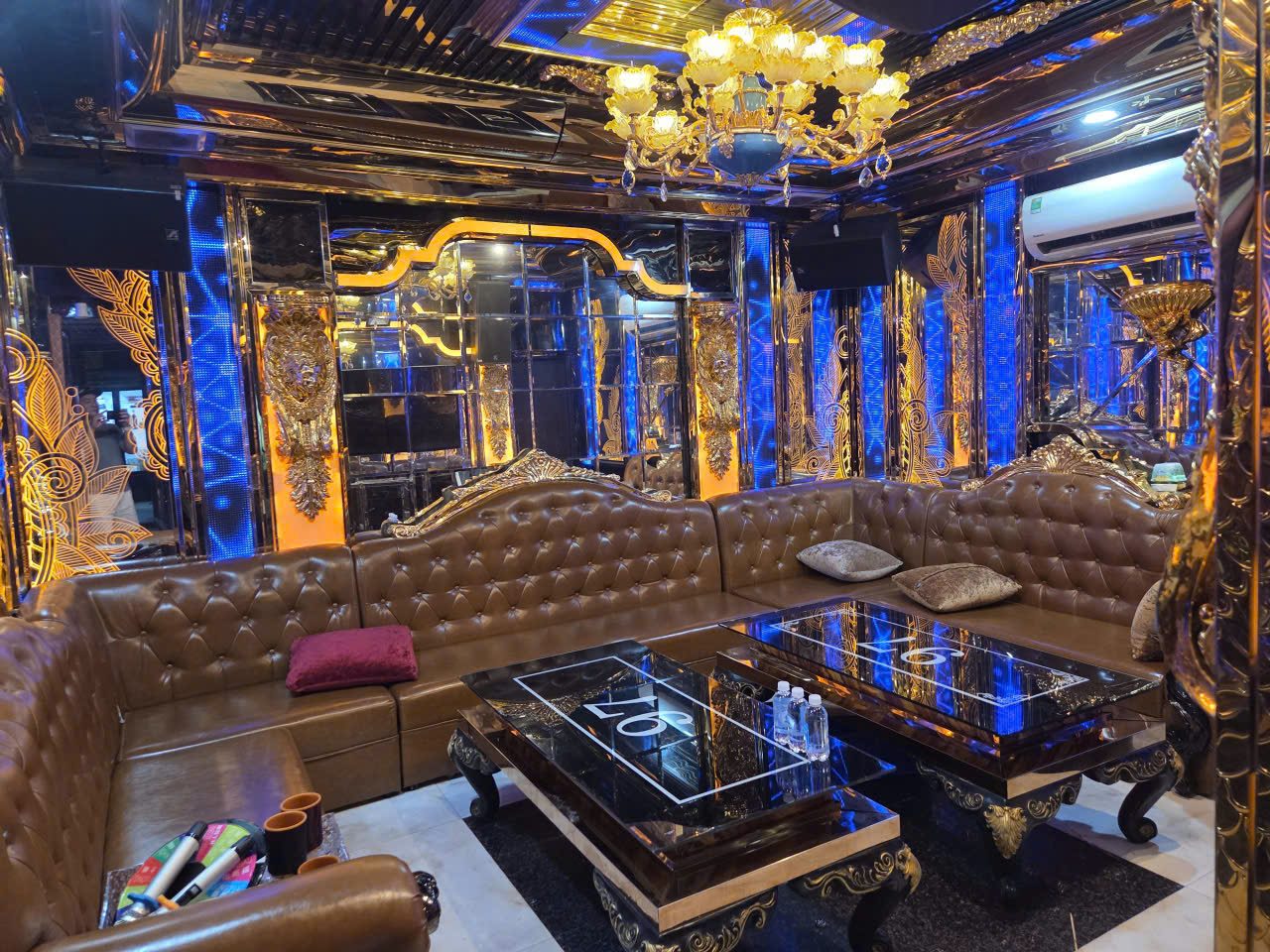
How karaoke works in Saigon
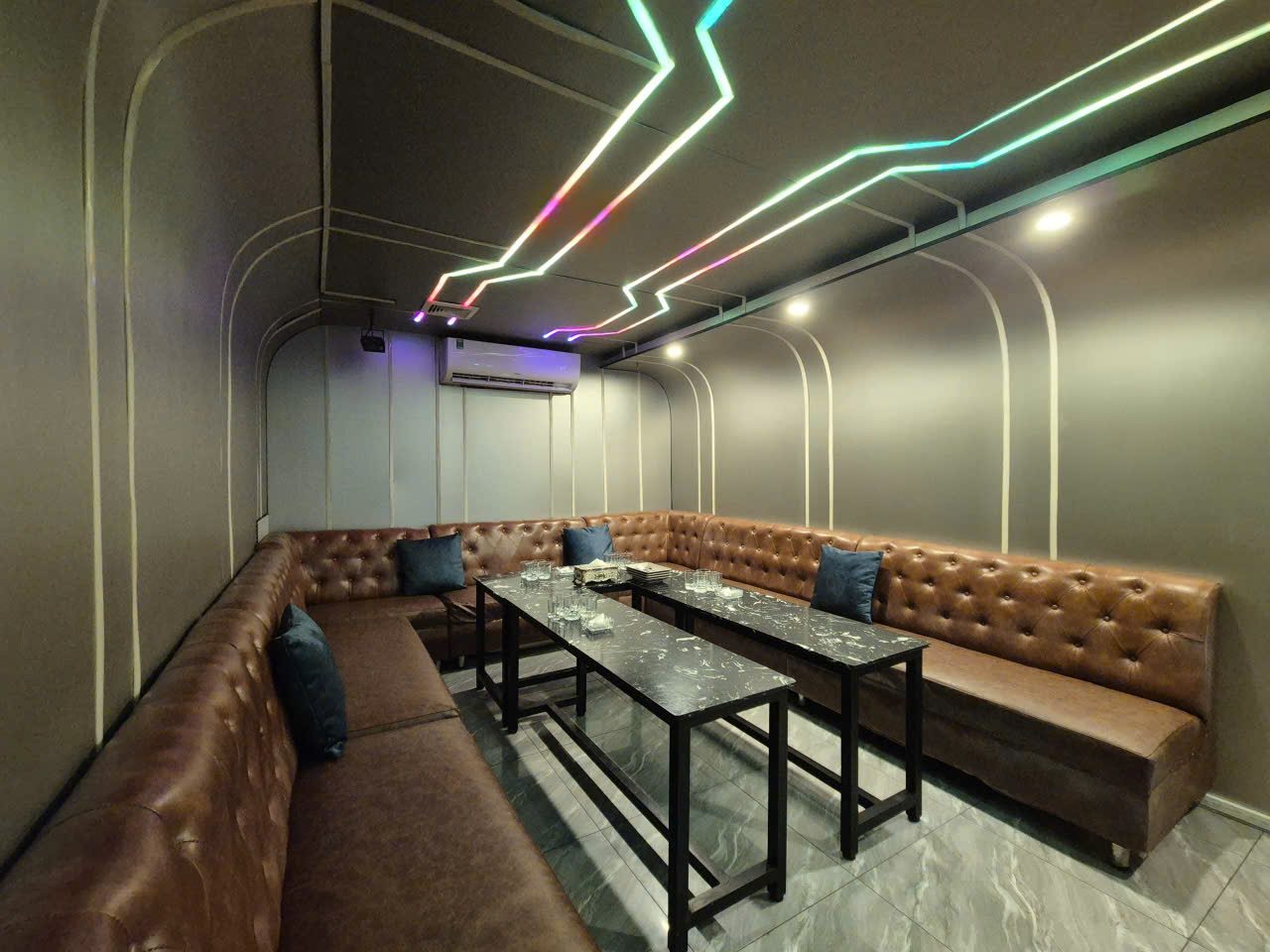
Almost all karaoke in Vietnam happens in private, soundproofed rooms rented by the hour — the format often called a karaoke box. You are not singing in front of strangers at an open bar. Your group gets its own room with screens, a song-selection tablet, microphones and a call button for staff. Drinks and snacks are ordered to the room and settled at the end.
Beyond that common format, venues fall into three broad families:
- Family / mainstream karaoke — large chain-style buildings where Vietnamese friends and families go. Cheapest, cleanest pricing, big song libraries, Vietnamese and international pop.
- KTV (lounge-style karaoke) — more upscale rooms, bottle service, and in some venues optional hostess-style companions who pour drinks and keep the conversation going. Pricing is less transparent. See our Saigon KTV guide and the KTV directory.
- Korean-style karaoke — lounges run in the Korean style, with Korean song systems and service, popular with Korean visitors but open to everyone. See the Korean karaoke Saigon guide and the Korean-style karaoke directory.
A typical night, step by step
- Arrive at reception on the ground floor. Staff ask how many people you are and how long you plan to stay, then suggest a room size.
- Confirm the price — hourly rate, any minimum time (often one to two hours), minimum spend and service charge. This is the moment to ask questions, not at the end.
- Go up to your room. An attendant turns on the system and shows you the song tablet. Most systems let you search in English by song title or artist.
- Order drinks and snacks using the call button, the room phone or a QR menu. Beer buckets, fruit platters and dried snacks are the classics.
- Sing, toast, repeat. Staff check in occasionally and top up ice.
- Ask for the bill when you are ready to wrap up. You usually pay at reception on the way out, in cash, by card or, increasingly, by bank QR.
Song libraries and languages
Mainstream venues have thousands of Vietnamese ballads and V-pop hits alongside a solid English catalog — classic rock, 2000s pop and current chart songs are all easy to find. Chinese-style KTVs add Cantonese and Mandarin libraries, and Korean-style venues usually run Korean karaoke systems with deep K-pop and Korean ballad catalogs. If you have a niche request, ask staff before booking a long session; newer releases sometimes take a while to appear.
Solo travelers, couples and big groups
Karaoke in Saigon is designed for groups. Couples can still book the smallest room, and solo travelers often join group nights organized by hostels or expat meetups — the Q&A board is a good place to ask whether anyone is going out. Big groups (10+) should reserve a large or VIP room in advance; these sometimes include a private bathroom and a better sound system. Business hosts usually pick lounge-style KTVs, where service is more attentive and the room feels more private.
Where to go: karaoke by area
A note on names: since Vietnam's 2025 administrative reform, the old numbered districts are no longer official units (the core of District 1, for example, now sits in Ben Thanh and Saigon wards). Locals, Grab drivers and venue addresses still use the district names, so we do too.
District 1 – Ben Thanh, Bui Vien and Le Thanh Ton
District 1 has the widest choice and the easiest logistics for visitors. Around Ben Thanh Market and Pham Ngu Lao you will find mid-range rooms within walking distance of hotels. Bui Vien Street is the backpacker party strip: louder, cheaper, and the place where you should check prices most carefully. Le Thanh Ton and its side streets (the area often called "Japan Town") are lined with lounge-style KTVs aimed at business travelers — tidier and pricier. For a full area breakdown see the District 1 nightlife guide.
District 7 – Phu My Hung
Phu My Hung is a planned, international neighborhood with the city's largest Korean community, and its nightlife reflects that: Korean barbecue, Korean-style karaoke lounges and well-kept family karaoke. It feels calmer and more residential than District 1 and is popular with expats who live nearby. More in our District 7 Phu My Hung guide.
District 3 and Phu Nhuan
These are where many young Vietnamese go out. Expect mainstream karaoke chains, fair prices and a mostly local crowd — a great choice if you have Vietnamese friends to come along and choose songs.
District 5 – Cholon
Cholon, Saigon's historic Chinatown, has a long tradition of Chinese-style KTV with big rooms and Cantonese and Mandarin song libraries. It is a 15–25 minute Grab ride from District 1 depending on traffic.
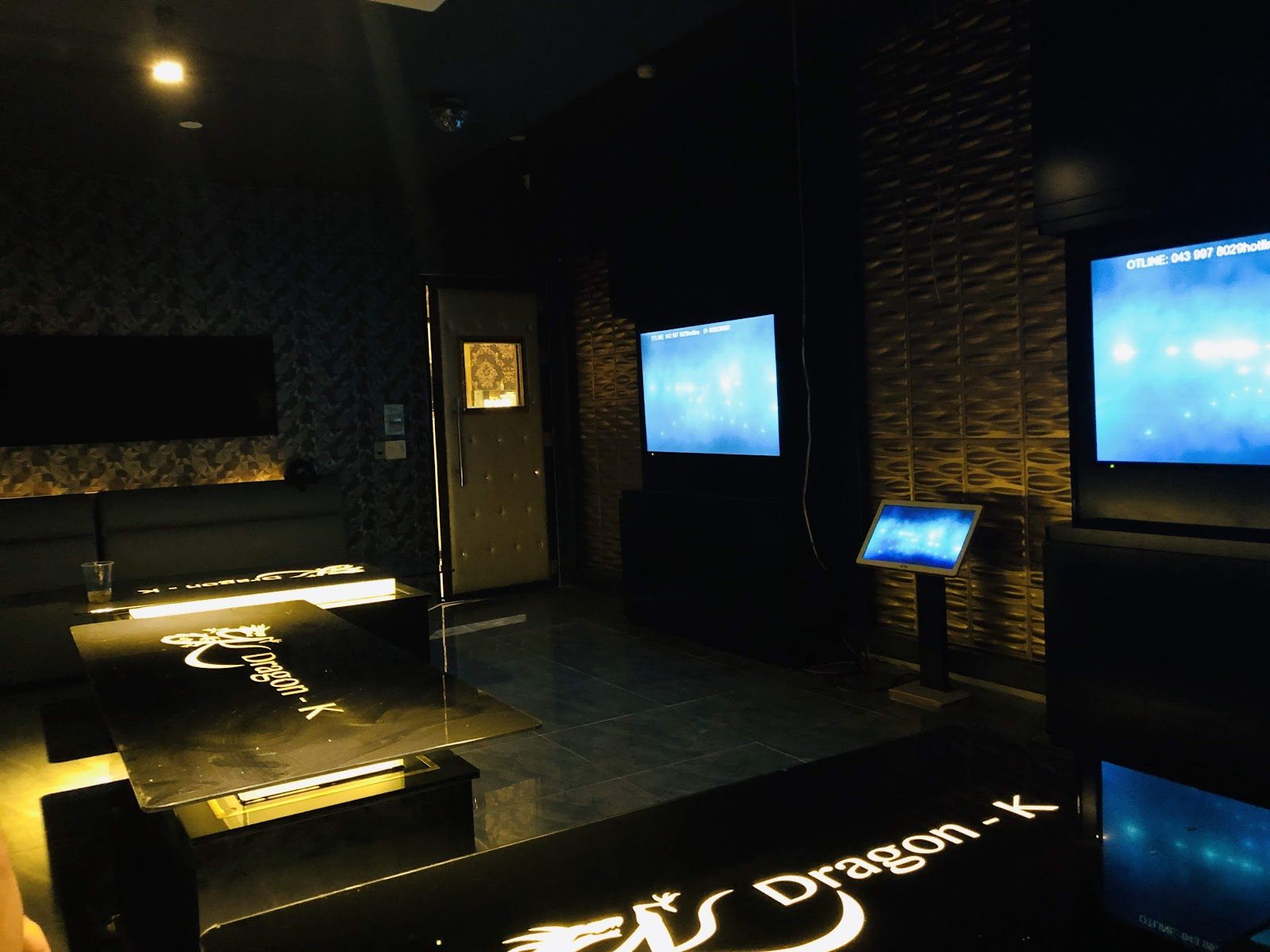
Prices in 2026 (rough ranges)
Prices vary by room size, time of day and venue type. The ranges below are approximate, gathered from published 2026 price guides and community reports — always confirm at reception. Quick mental math: 100,000 VND is roughly US$4.
| Item | Typical range (VND) | Approx. USD |
|---|---|---|
| Small room (2–4 people), per hour, evening | 150,000–300,000 | $6–12 |
| Medium room (5–8), per hour, evening | 300,000–500,000 | $12–20 |
| Large/VIP room (10+), per hour, evening | 500,000–2,000,000 | $20–80 |
| Can of beer | 30,000–60,000 | $1.20–2.40 |
| Bottle of spirits | 500,000–2,000,000+ | $20–80+ |
| Fruit platter | 100,000–300,000 | $4–12 |
Daytime (before about 6pm) is often noticeably cheaper. Many venues add a 5–10% service charge plus VAT. Lounge-style KTVs and Korean-style venues often work on set packages or minimum spends rather than simple hourly rates, and any companion tips are separate. Our Ho Chi Minh karaoke prices guide breaks this down with example bills.
Example totals
- 4 friends, mainstream venue, 2 hours, beer and a fruit plate: roughly 900,000–1,800,000 VND in total (about $35–70), or $9–18 each.
- 8 colleagues, medium room, 3 hours, one bottle of spirits plus mixers and snacks: roughly 2,000,000–5,000,000 VND (about $80–200) including service charge — more at lounge-style KTVs, and before any companion tips.
Booking and the best times to go
- Peak hours are roughly 8pm to midnight, especially Friday and Saturday. Book ahead for large rooms.
- How to book: call or message the venue (many use Zalo or Facebook), ask your hotel, or reserve through a venue listing in our directory. State group size, arrival time and how long you plan to stay.
- Closing time: Vietnamese regulations have long prohibited karaoke service between midnight and 8am. Some venues run later in practice, but plan for a session that ends around midnight.
- Getting there: use Grab or another app-based ride; pin the exact venue on Google Maps first, as many venues share similar names.
First-timer checklist
- Check recent reviews (Google and our Venue Reviews board) — look for mentions of billing.
- At reception, ask for the hourly room rate, minimum time, minimum spend and service charge. Take a photo of the price list.
- Ask for a drinks menu with prices before ordering anything to the room.
- Agree on what is included in any package (drinks, fruit, time) before you start.
- Bring cash in small notes for tips; cards are accepted at larger venues but not everywhere.
- Keep track of what you order; check the itemized bill before paying.
- Save the venue's address and arrange your Grab home before you are tired.
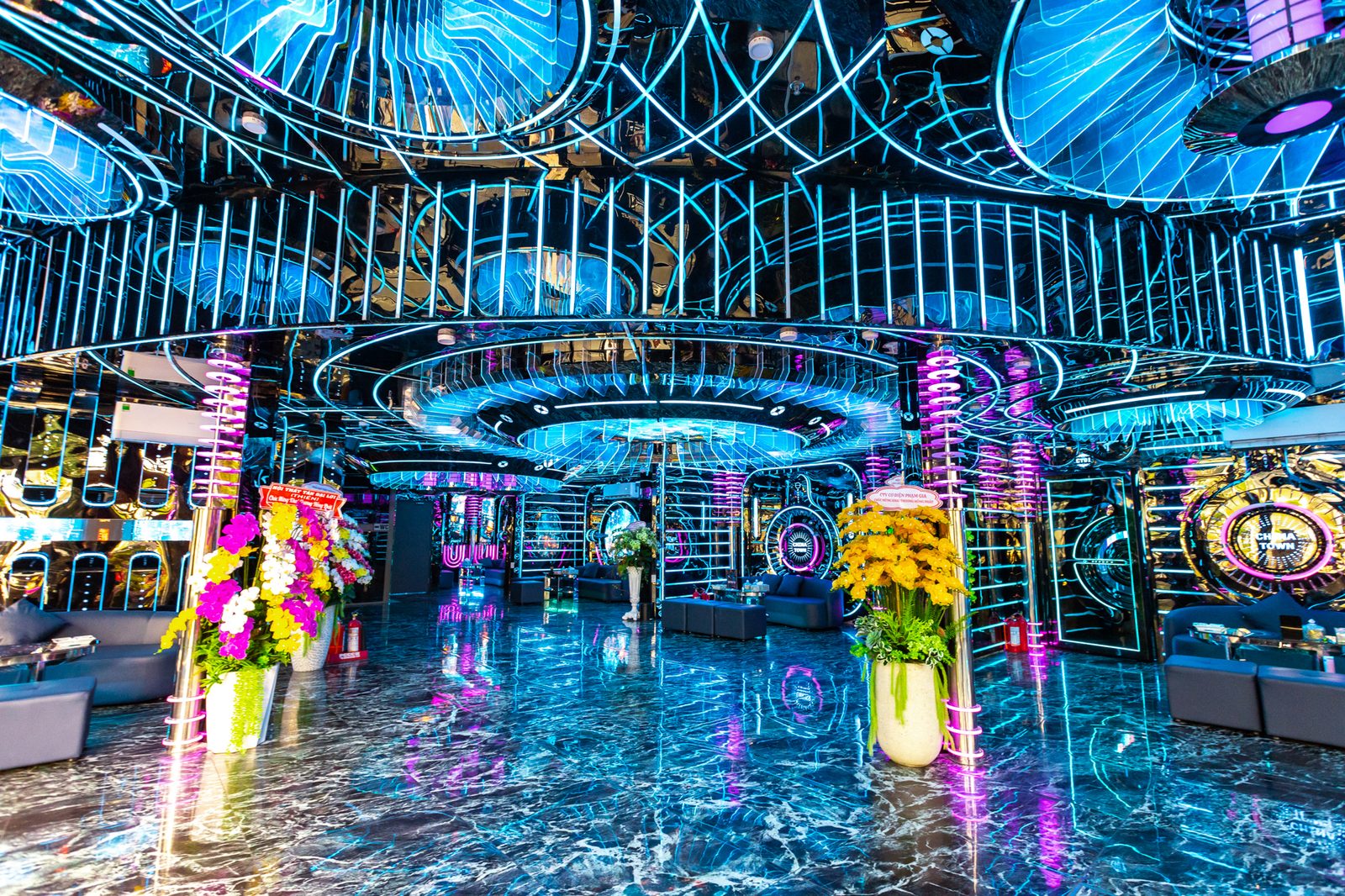
Comparison: which type of karaoke suits you?
| Family / mainstream | KTV lounge | Korean-style | |
|---|---|---|---|
| Best for | Friends, families, budget | Business hosting, celebrations | Korean visitors and fans of K-pop, all welcome |
| Pricing | Transparent hourly | Packages / minimum spend | Packages / set menus |
| Typical areas | D3, Phu Nhuan, D7, malls | D1 Le Thanh Ton, Cholon | D7 Phu My Hung, D1 |
| Song library | Vietnamese + international | International, Chinese, Japanese | Korean-focused + international |
| Rough cost per person | Low | Medium to high | Medium to high |
Etiquette and safety
Karaoke culture in Saigon is friendly and forgiving — nobody expects you to sing well. A few habits will make you a welcome guest:
- Share the mic. Queue songs in turn and cheer for others. Clapping along matters more than pitch.
- Toast often. "Một, hai, ba, dzô!" (one, two, three, cheers) is the classic Vietnamese toast.
- Tipping is optional but appreciated: small cash tips for the room attendant are common, and at lounge venues tipping staff and companions is customary — ask the manager what is normal before the night starts.
- Be respectful to all staff. Companions in KTV venues are there to host and pour drinks; treat them as you would any hospitality worker.
Safety basics: watch your drink and do not accept drinks from strangers, never hand over your passport as a deposit, and be wary of anyone on the street offering to take you to a "special" karaoke bar. The UK government's Vietnam travel advice also warns about methanol in drinks and bag snatching in tourist areas.
Vietnam has very strict drug laws, and police do raid nightlife venues — stay well clear. For more practical advice read our Saigon nightlife safety tips.
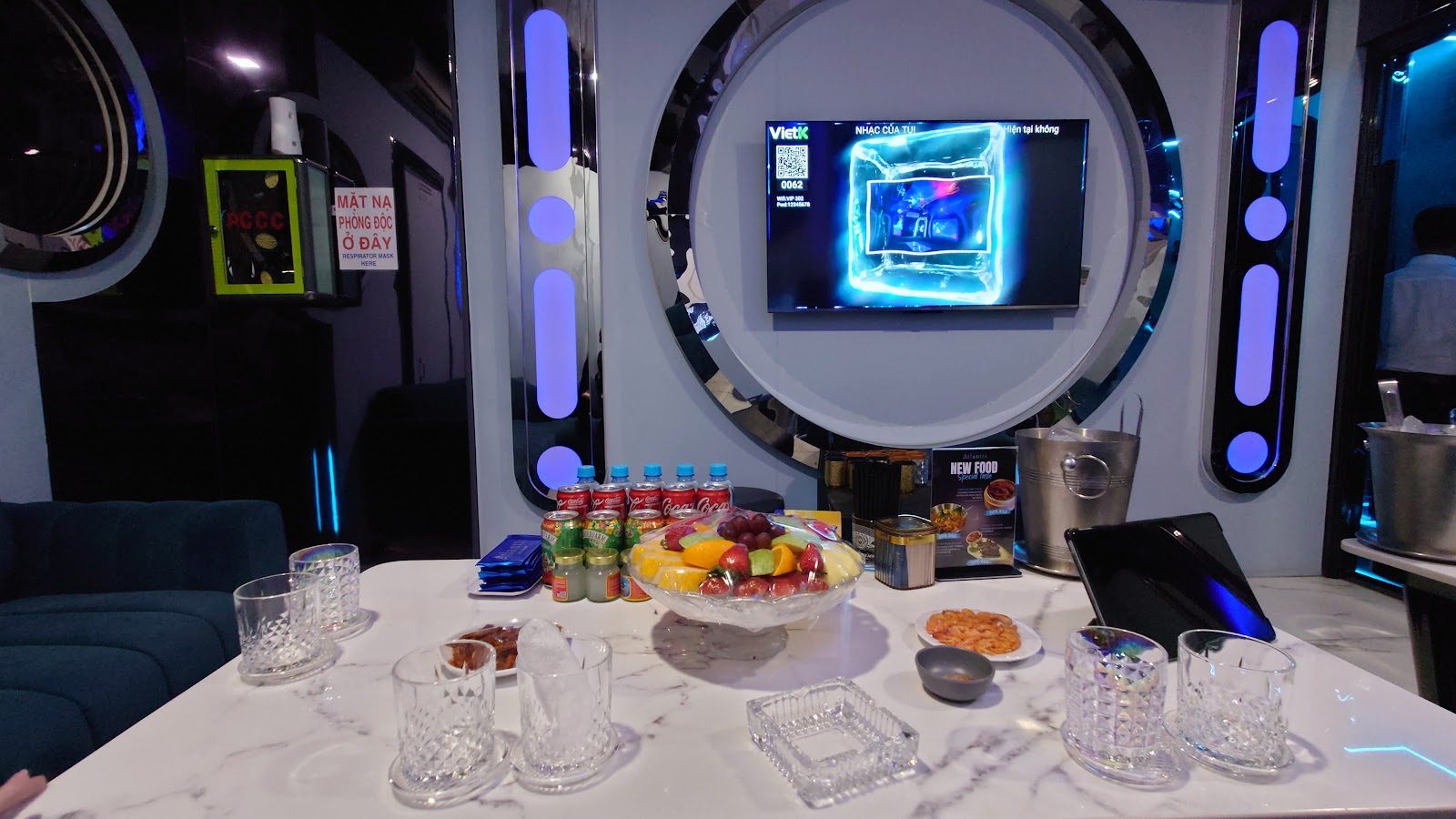
Making a night of it
Karaoke usually sits in the middle of a bigger evening: dinner first, karaoke from around 8 or 9pm, then a club or late drinks. Start with a sunset drink from our Saigon rooftop bars list, then see the wider Ho Chi Minh nightlife guide and the Ho Chi Minh clubs guide for what comes after. The next morning, a foot massage or a classic shave helps — browse massage and barbershops. For general trip planning, the official Vietnam tourism page for Ho Chi Minh City is a good place to start.
Venues in our directory
Our directory lists venues across categories with maps and the details we have been able to verify. In KTV you will find listings such as Dragon K, Atlantis KTV, Queen Bee KTV and China Town KTV; in Korean-style karaoke, Oasis, Odyssey and Number One. Listings are informational — prices and policies change, so confirm details directly and share your experience on the Venue Reviews board to help the next visitor.
FAQ
QHow much does karaoke cost in Ho Chi Minh City?
QWhat is the difference between karaoke and KTV in Vietnam?
QWhich area is best for karaoke in Saigon?
QDo I need to book karaoke in advance?
QWhat time do karaoke venues close in Ho Chi Minh City?
QIs karaoke in Saigon safe for tourists?
QShould I tip at karaoke in Vietnam?
QCan foreigners go to Korean karaoke in Saigon?
Prices and hours were correct when written and may change. Questions? Ask the community. Ask a question >
Venues in this guide
All venues >-
District 1 Oasis Karaoke
Korean karaoke Oasis KTV · 오아시스 가라오케
A Korean-style private-room karaoke reported at 97 Sương Nguyệt Ánh in District 1's Bến Thành area, a short wa…
-
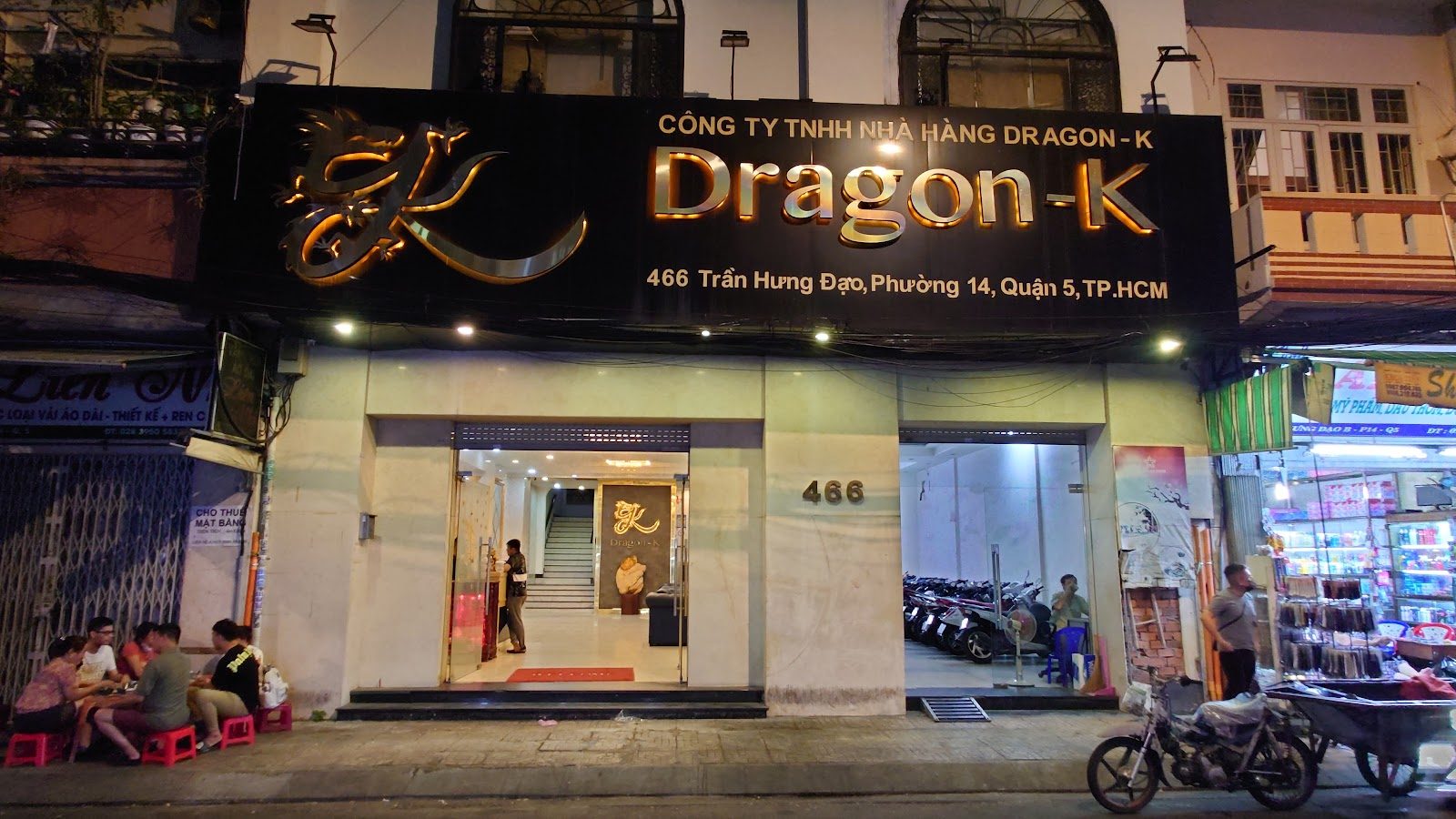
District 5 Dragon K
KTV Karaoke KTV Dragon K (466 KTV)
One of the best-known local KTVs in District 5's Chợ Lớn area, at 466 Trần Hưng Đạo B near the Châu Văn Liêm j…
-
Binh Chanh China Town
KTV ChinaTown Karaoke KTV (Karaoke Trung Sơn)
A KTV by the Trung Sơn roundabout on Road 9A, run as one of the Dragon Palace group's brands, with glossy wate…
-
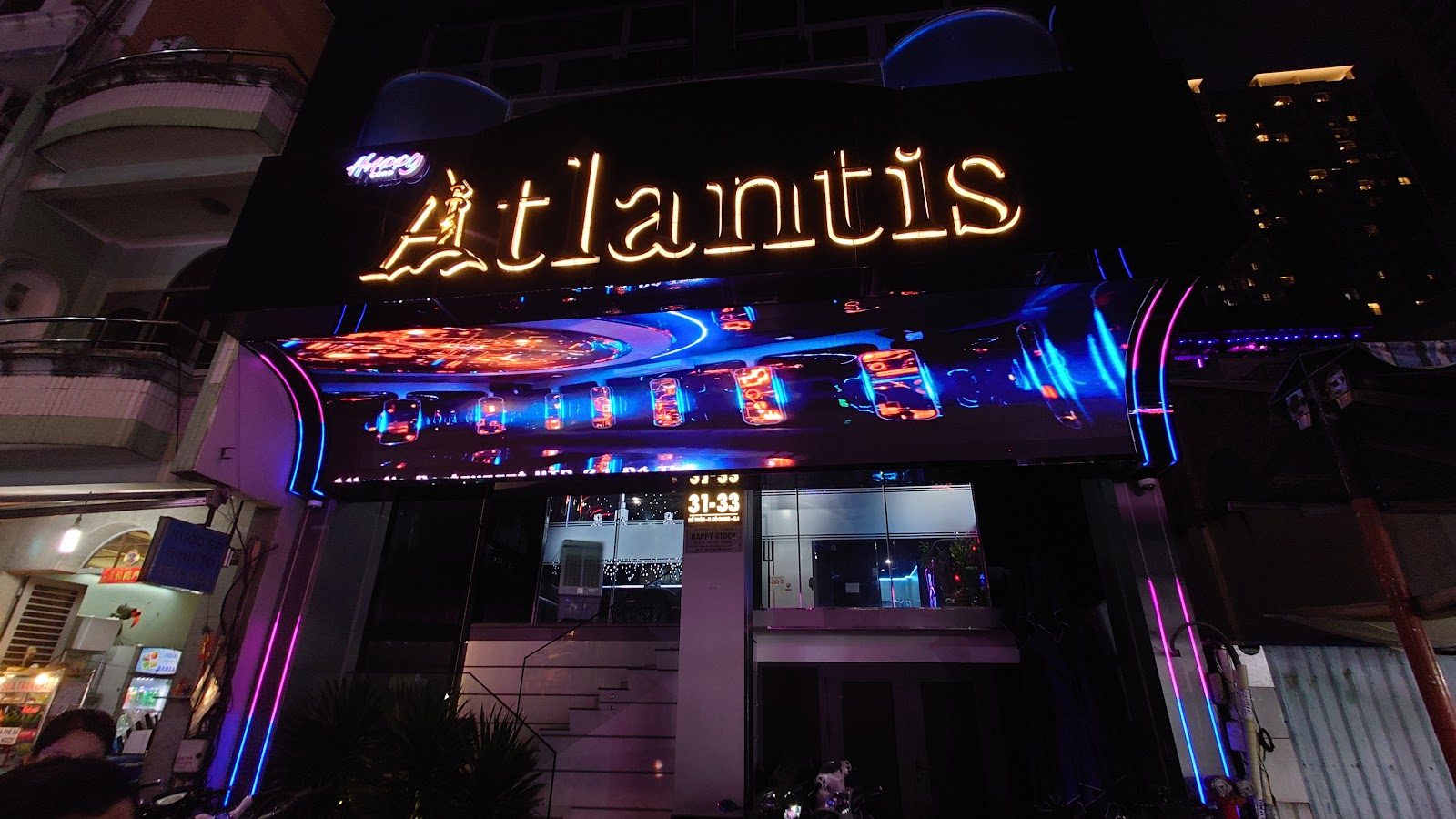
District 1 Atlantis
KTV Atlantis Karaoke & Restaurant
A karaoke-and-restaurant on Đề Thám Street in District 1, a few minutes' walk from Bùi Viện, with spacious oce…
-
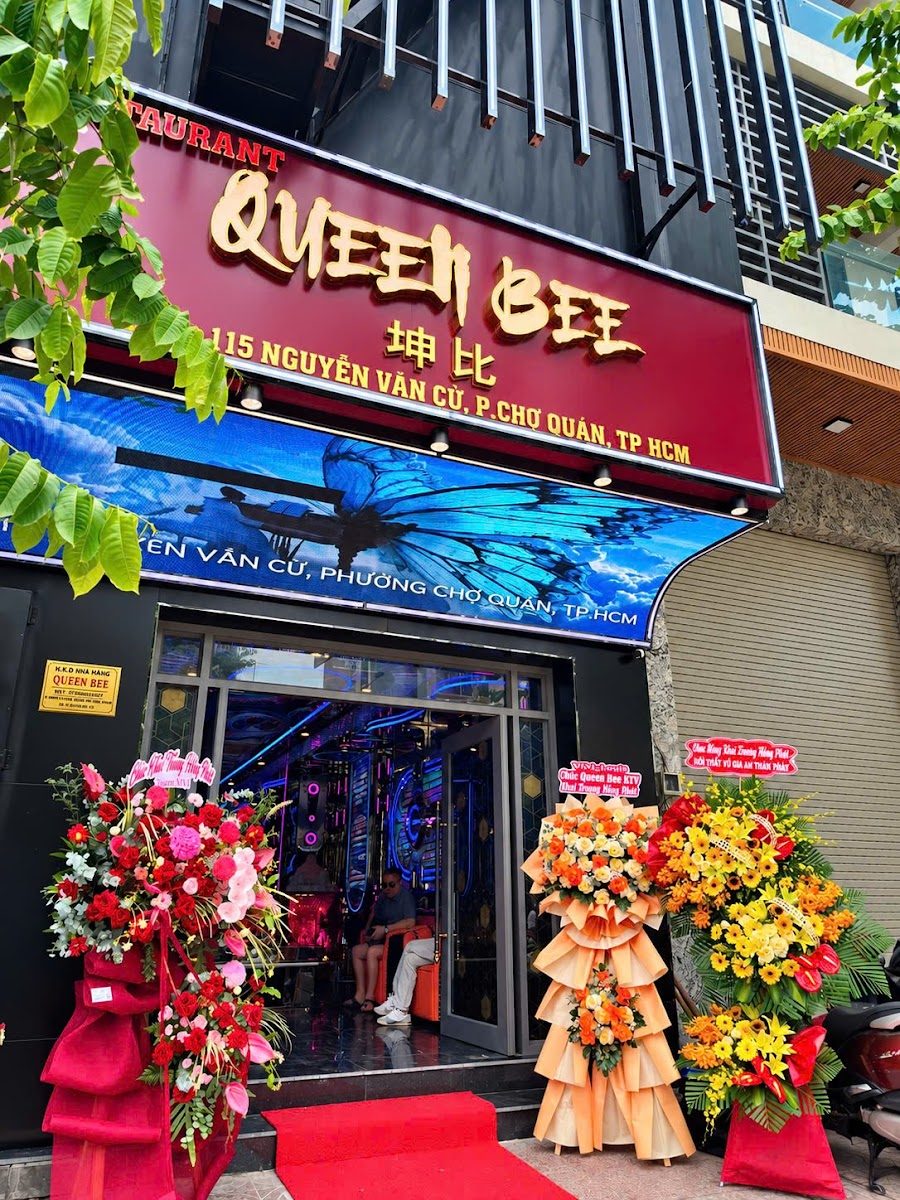
District 5 Queen Bee
KTV Karaoke Queen Bee KTV
A modern-luxury KTV at 115 Nguyễn Văn Cừ in District 5, with four room tiers from small to super-VIP. Several …
-
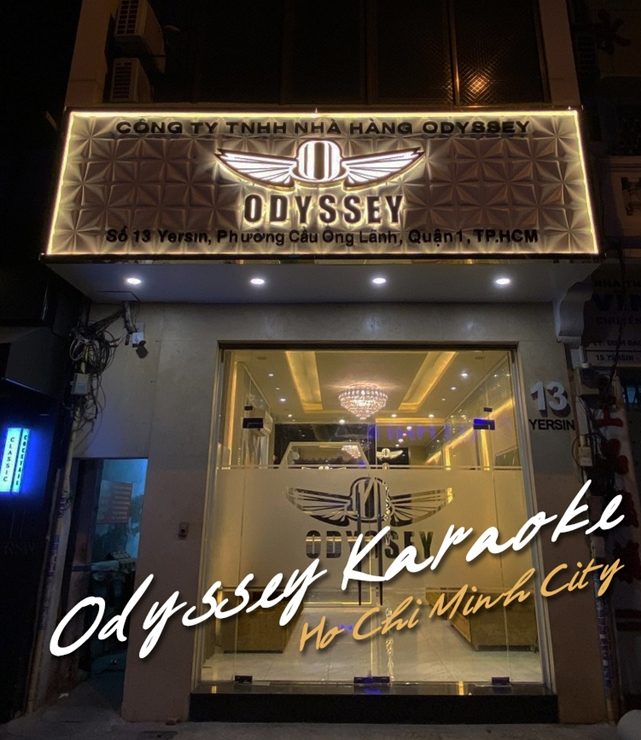
District 1 Odyssey Karaoke
Korean karaoke ODYSSEY · 오딧세이 가라오케 (Công ty TNHH Nhà hàng Odyssey)
A Korean-style private-room karaoke at 13 Yersin Street in District 1, with a published drinks-set menu (4.5M …
-
District 1 No.1 Karaoke
Korean karaoke NO.1 KARAOKE · 넘버원 가라오케
A Korean-style karaoke that reopened on 24 July 2026 at 104 Ký Con, District 1, with individually themed priva…